May 14, 2026
Understanding when to schedule tire services is crucial for safety, performance, and vehicle longevity. This article provides comprehensive insights to help drivers recognize the signs that indicate it's time for tire maintenance or replacement. Regular tire maintenance not only ensures a smooth driving experience but also maximizes fuel efficiency and extends the tire's life. Proper awareness of tire conditions can significantly prevent accidents and enhance vehicle performance. This knowledge serves as a practical guide for car owners to maintain optimal vehicle conditions.
Tread Depth and Wear Patterns
The tread depth of a tire is pivotal in maintaining grip and handling, especially on wet or slippery surfaces. Tires with inadequate tread depth are more prone to hydroplaning and can significantly increase stopping distances. Regularly checking tread depth helps ensure that the tires maintain optimal performance in various driving conditions. There are several methods to measure tread depth, including the use of a tread depth gauge or the penny test. Ensuring proper tread depth is crucial and plays a fundamental role in road safety.
Measuring tread depth involves inserting a depth gauge into the tread groove and obtaining a reading. The penny test, an informal method, involves placing a penny with Lincoln's head point down into the groove, and if the top of his head is visible, it's time for a replacement. Apart from tread depth, uneven tread wear can signal alignment issues or improper tire inflation. Causes of uneven tire wear include misalignment, worn suspension components, and inconsistent tire rotation. Addressing these issues promptly can prevent further tire damage and ensure balanced handling.
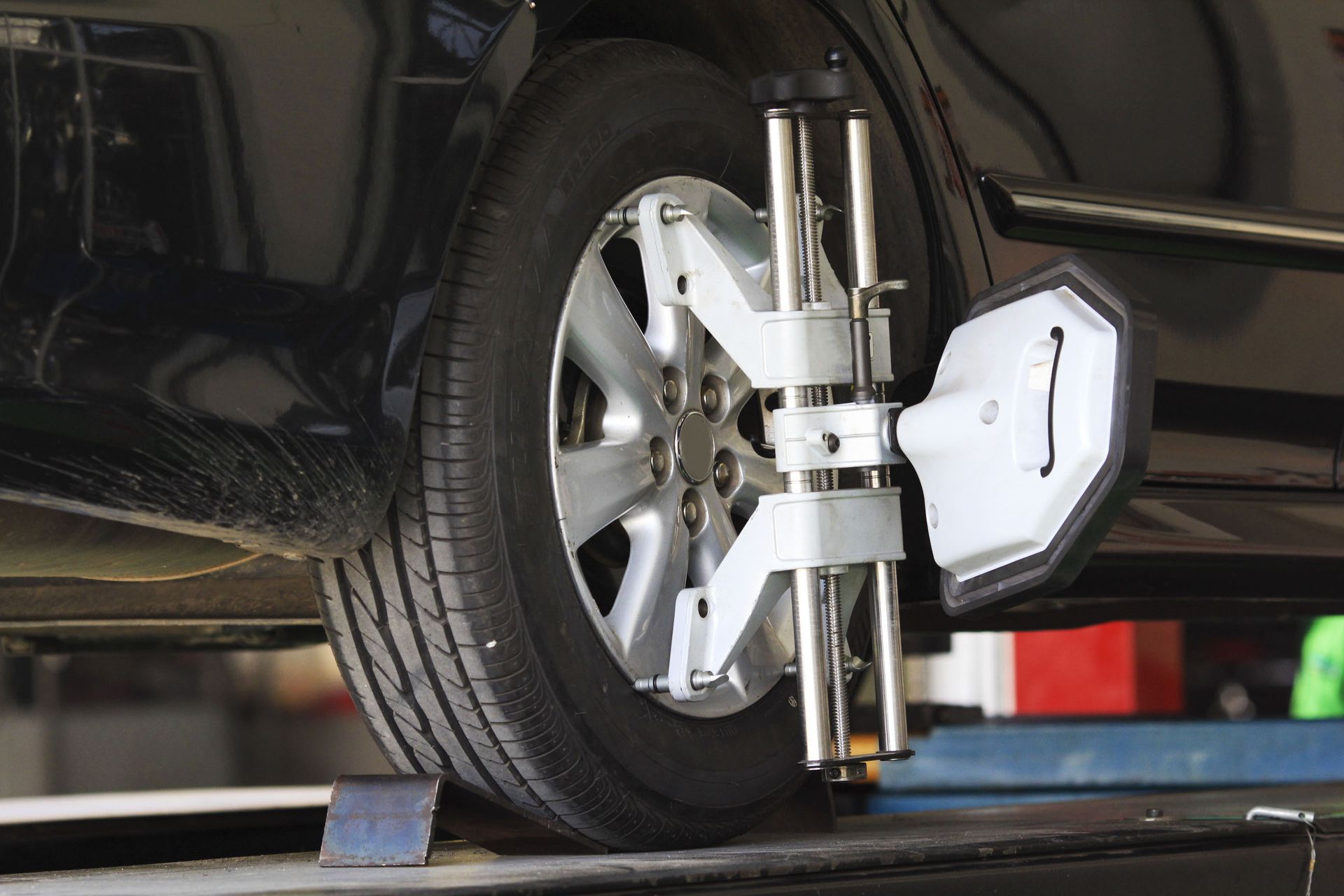
To counter tread wear issues, it is essential to rotate tires regularly as per manufacturer recommendations. According to the National Highway Traffic Safety Administration, tires should typically be rotated after 5,000 to 8,000 miles of driving, or sooner if they have uneven wear. Proper tire rotation can extend the life of tires and ensure even wear across all tires. Additionally, routine wheel alignment and balancing should be part of regular maintenance. These steps help maintain optimal tire conditions and promote safety.
Visible Damage and Punctures
Tire damage can manifest in several forms, including cuts, sidewall bulges, and punctures. Each type of damage has specific implications and risks associated with vehicle performance and safety. Cuts and punctures can lead to air loss and may compromise the tire's structural integrity. It's crucial to regularly inspect the tires for visible signs of damage. Doing so can prevent potential blowouts and ensure the safety of the vehicle and its occupants.
Not all tire damage requires a replacement; some punctures may be repairable depending on location and severity. Generally, punctures in the tread area can be repaired, while those on the sidewall are not safe for repairs. Assessing the repairability requires a professional evaluation to ensure that the structural integrity of the tire is not compromised. Temporary fixes, like tire sealants, may provide a short-term solution, but professional repair is advisable for long-term safety. Permanent repairs typically involve patching and plugging the puncture from the inside of the tire.
Driving on damaged tires poses significant risks, including sudden tire failure and vehicle instability. Temporary solutions should be a stopgap measure until a professional repair or replacement can be done. A professional inspection can also reveal hidden damage not visible to the untrained eye. Proper repairs conducted by certified technicians ensure the tire's safety and longevity. Ensuring that damaged tires receive prompt attention is a wise practice for all vehicle owners.
Vibration and Noise Indicators
Vibration and noise while driving can be indicative of tire-related issues. These symptoms often arise from imbalanced wheels or misalignment, which can result in uneven tire wear. Excessive vibrations can compromise vehicle handling and provide an uncomfortable driving experience. Prolonged exposure without addressing the root cause can lead to premature tire degradation. Identifying and rectifying the cause of vibrations can preserve tire life and maintain comfort.
Analyzing noise levels can help determine the nature of the tire issues. For instance, a humming noise might suggest uneven wear, while a thumping noise could indicate a flat spot on the tire. Understanding these noise patterns can help in diagnosing problems early. Sometimes, tire noise is also caused by tread patterns, especially with aggressive or all-terrain tires. Regularly evaluating tire noise and vibrations can assist in timely interventions and repairs.
Imbalanced wheels are a common culprit for vibrations and can be rectified by balancing services. Balancing helps distribute the weight evenly across the wheel assembly, minimizing vibrations and extending tire life. Ignoring the need for balancing can result in progressive wear and inefficiency. Solutions to reduce vibrations and noise include regular alignment and keeping tires inflated to the recommended pressure levels. Consulting a professional when such issues persist ensures precise diagnostics and effective solutions.
Age of the Tires
Tire aging is a natural process that can affect the tire's performance over time. As tires age, the rubber compound can harden, reducing traction and increasing the risk of tire failure. The rate of tire aging can be influenced by factors such as climate, usage, and maintenance habits. Visual indicators of aging include cracks on the sidewall and tread surface. It is important to regularly assess tires for signs of aging to avoid compromising on safety and performance.
Manufacturers often recommend tire replacement after a certain period, irrespective of tread wear. Generally, it's advisable to replace tires every six to ten years based on manufacturer guidelines, even if they appear in good condition. Stored tires also age, and even unused tires can become unsafe over time. Proper storage conditions, such as avoiding direct sunlight and high temperatures, can slow down the aging process. Understanding the aging process helps in making informed decisions regarding tire replacement.
Seasonal and Weather Considerations
The performance of tires can significantly vary with changing seasons and weather conditions. Utilizing season-appropriate tires can enhance safety and improve vehicle handling. Winter tires, for example, offer superior grip on snow and icy surfaces compared to regular tires. Neglecting to use the correct tires for each season can compromise vehicle stability and control. Awareness of when to change tires for different seasons is vital for maintaining road safety.
Seasonal tire services are essential in optimizing safety and vehicle efficiency. Rotating and balancing tires before major seasonal transitions can ensure even wear and prolong tire life. Scheduling tire services before winter or summer ensures that the tires are suited to the demands of the season. It's recommended to have tire services performed by professionals who can accurately evaluate and recommend the right tires. Prioritizing seasonal changes and tire maintenance play a significant role in enhancing vehicle safety.
Indicators from Your Vehicle's Performance
Tires have a direct impact on various aspects of vehicle performance, including fuel efficiency. Tires with incorrect pressure or improper alignment can increase rolling resistance, leading to higher fuel consumption. Monitoring fuel efficiency can be an indirect indicator of tires needing service. Adhering to recommended pressure levels helps in optimizing fuel consumption and ensures a smooth driving experience. Vehicle owners should be attentive to changes in fuel efficiency as it can highlight the need for tire services.
Braking issues often correlate with tire health and can become apparent with worn or misshaped tires. Effective braking depends on adequate tire grip, and suboptimal tires can extend braking distances. As tires wear, they lose the ability to provide optimal traction needed during emergency braking situations. Regular tire checks can prevent these issues, ensuring reliable braking performance. Being aware of these signs can prevent potential incidents and maintain vehicle safety.
Recognizing when it's time to schedule tire services is vital for the safety and efficiency of your vehicle. Regular checks and professional evaluations help maintain optimal tire condition, ensuring smoother rides and prolonging the lifespan of your vehicle. Being proactive in tire maintenance preserves the integrity and performance of tires, ultimately enhancing vehicle safety. This article aims to equip drivers with the knowledge to make informed decisions regarding tire care. Prioritizing regular tire inspections and services leads to a safe and comfortable driving experience. Reach out to SD Tire Masters today to see how we can help you!